Neurodivergent Avatars Train Both Sides of the Interview
“The candidate seemed a bit unsure in the interview.” How often is that said in feedback rounds after a job interview? Quite often. Sometimes someone is simply unsure. But sometimes very good candidates are completely misunderstood or misread.
What we quickly label as a lack of confidence or persuasiveness often has very different causes. For neurodivergent talent, for example people on the autism spectrum, even a small, unannounced change of plan before an interview can cause enormous stress. If the recruiter or hiring manager doesn't recognise that, misunderstandings get assessed instead of potential, and employers lose great talent.
Why it matters
Around 1 in 5 people are neurodivergent, and up to 85% of neurodivergent people are estimated to be unemployed or underemployed. Not for lack of ability, but because most hiring processes are built around one narrow definition of “coming across well”.
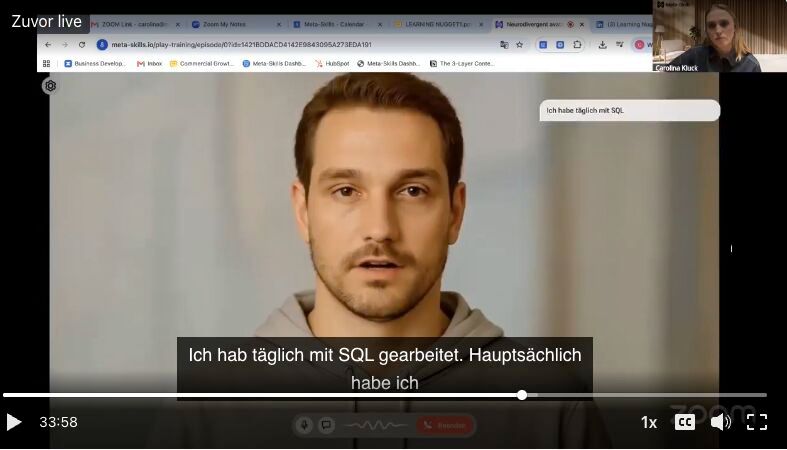
Together with the European Institute for Neurodiversity, we developed neurodivergent AI avatars. The point is not to “trim” neurodivergent people into neurotypical behaviour, but to support training in one direction and awareness in the other.
Training in two directions
Neurodivergent talent can practise neurotypical expectations, such as eye contact, reading between the lines or spontaneity, before an application or feedback conversation, in a safe space and without being judged.
The other way round, neurotypical recruiters and managers can practise recognising that little eye contact or a longer pause is not a sign of disinterest or lack of competence, and learn to let go of that stigma. The roleplay we built for this helps recruiters stop reading behaviours like no eye contact, a different pace of answering or minimal small talk as red flags, and see the expertise that is actually there.
A step in the right direction
Avatars don't replace real understanding between people, but they can help both sides prepare and build the skills they need. One avatar or one webinar won't change a hiring system overnight. But a recruiter who walks into their next interview thinking differently about what a “good answer” looks like is a step in the right direction.
Why this is a skills question: inclusion is a skill.